
As EU companies are required to pay for carbon dioxide emissions, energy-intensive industries are at a disadvantage compared with competitors from third countries. To bridge this gap, Brussels plans to level the playing field through carbon tariffs and extend this mechanism to more imported products, including household appliances such as washing machines.
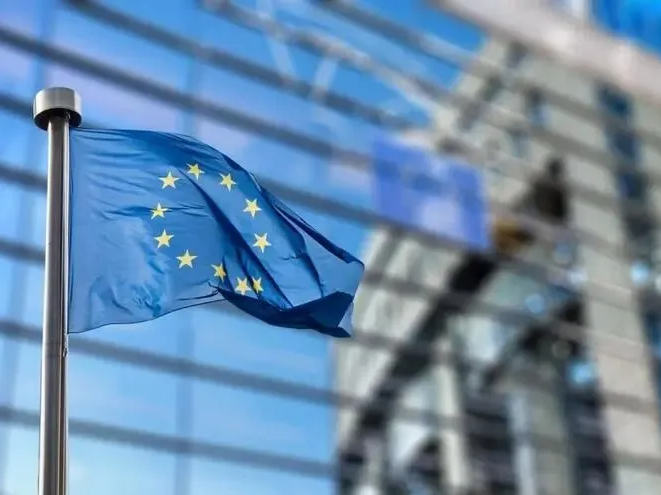
The European Commission announced its intention to expand the Carbon Border Adjustment Mechanism (CBAM) to cover household appliances and other further processed goods. This means that in the future, imported "white goods" like washing machines destined for the EU market may be subject to carbon tariffs, which will inevitably drive up the cost of imported household appliances. Previously, the mechanism only applied to basic materials such as steel, aluminium, cement and electricity.
Under CBAM, the EU imposes a price on carbon dioxide emissions generated during the production of imported goods. Starting from 1 January 2026, importers will for the first time be obligated to pay for CO₂ emissions produced in the manufacturing phase of relevant products.
The EU’s move aims to prevent imported products manufactured with high emissions but sold at low prices from crowding out climate-friendly alternatives in the European market. For instance, if certain steel products are produced in China with a significantly higher carbon footprint than the same products made within the EU, this emission gap will be offset through a pricing mechanism.
The European Commission stated that around 180 types of products further processed from steel and aluminium will be included in the scope of carbon tariffs in the future. Approximately 94% of these are industrial products with an average steel and aluminium content of as high as 79%, including special equipment, metal supports or cylinders, etc.; the remaining 6% are household products.
Meanwhile, the EU also plans to close regulatory loopholes. It will enhance the traceability of CBAM-covered goods by adjusting declaration obligations. In addition, the European Commission will be granted the authority to intervene directly in cases where abuses are detected.
Furthermore, to support EU manufacturers facing cost pressures stemming from rising imported steel prices, the EU plans to establish a support fund. This fund will offset part of the additional costs incurred due to the EU’s carbon emission regulations, thereby alleviating the burden on these manufacturers.
It is reported that 25% of the fund’s capital will come from CBAM certificate sales revenue (which would otherwise belong to EU member states), with the remaining 75% funded by the EU’s own budget.
However, the steel industry argues that these measures are still insufficient. The German Steel Federation pointed out that CBAM should be fully applied to all steel-intensive downstream products, adding that a "piecemeal approach is far from enough and may even lead to the relocation of steel-intensive industries outside the EU". The European Steel Association also holds the view that the funding scale of the support fund is "highly uncertain" and will be difficult to provide effective support.
In addition, the German Chemical Industry Association (VCI) has called for the chemical industry to continue to be excluded from the CBAM mechanism. The association noted that the chemical industry involves tens of thousands of products with extremely complex production chains, making it unsuitable for the application of this tool.
Source: German Hotline

 CN
CN
 Sign In


